CASSANDRA ELLIS
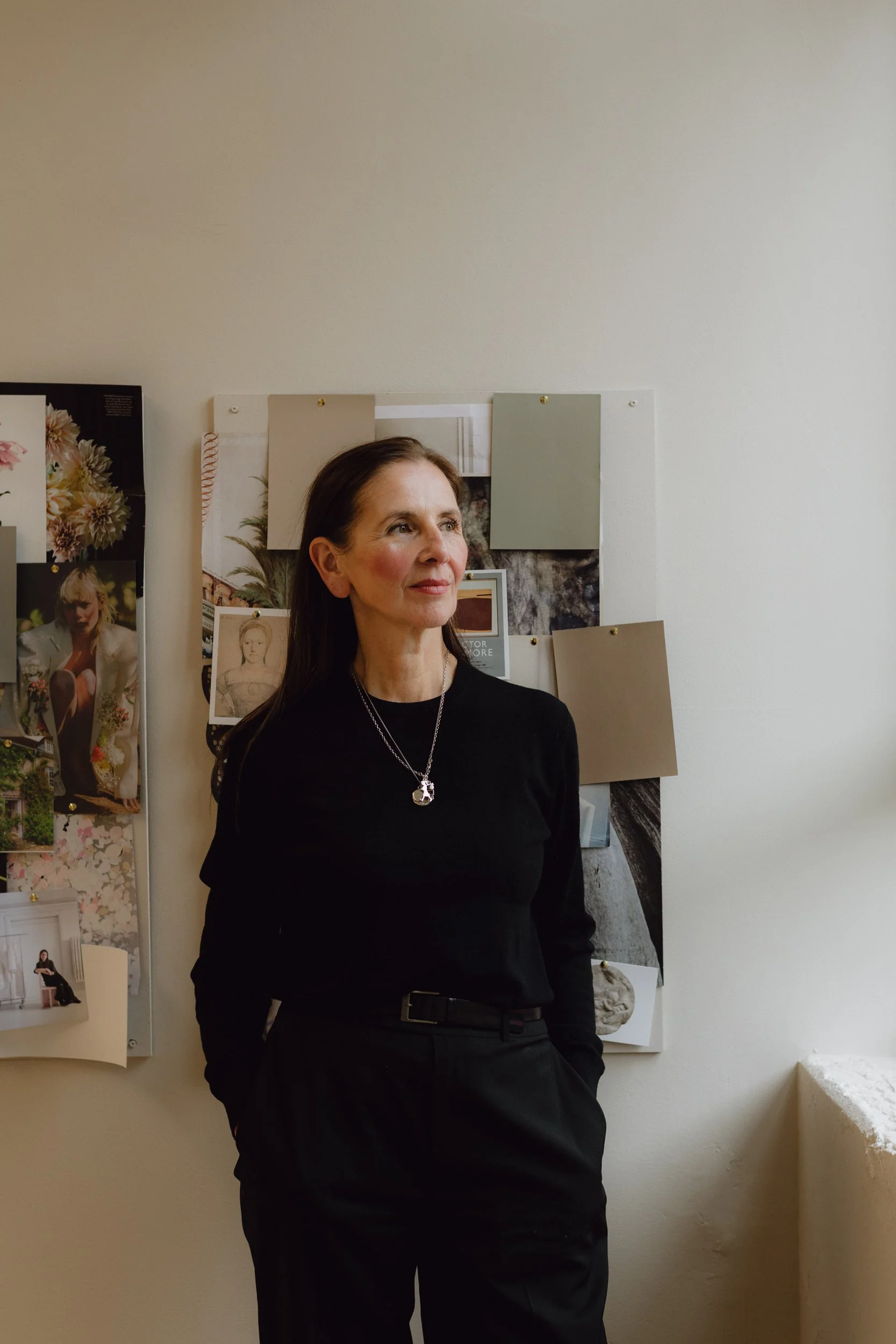
Founder of natural, breathable, bio-based paint brand atelier ellis
A colourist with a rich background in decorative design, Cassandra crafts colours and stories that inspire serene and natural living spaces, helping us tell our story of home and place.
How do you encourage people to embrace imperfection, patina, and the stories within their walls?
I do believe we have hit design ‘peak’ where we have asked too much of our homes. Would you rather have a happy family or perfect hallway walls? Life isn’t perfect, we are definitely not perfect, you can’t expect the container you live in to be perfect. I think this is utter hell. Bikes should be allow to lean, dogs to shake.
You often talk about homes as vessels for our inner lives. What does “living well in your space” mean to you right now?
I think homes should make you feel safe, protected and uplifted. I think this is living well, you can’t get any further in the joy stakes without these fundamentals being satisfied.
Atelier Ellis paints are known for their depth and subtlety. What’s one aspect of the paint-making process that most people don’t realise affects the final colour?
It’s all about the ingredients, or lack of them. We use over 95% natural materials and minimise the different types of all the materials going in to our paint. No chemical extenders, or multiple biocides. When you see a paint that looks and feels ‘plasticky’ or weirdly shiny, that’s because they have taken the opposite approach. Too many ingredients and the wrong type from the wrong place.
Is there a colour from your palette that feels particularly autobiographical? Or a material or pigment you feel especially connected to and why?
Tamaki is my most autobiographical colour. It is the colour of a dress that my mother made for me when I was small. I can still harness the memory of looking down and seeing this incredibly pleasing dress over my chubby brown knees. I felt loved.
If your design philosophy had a personality of its own, what words would best describe you?
Poetic, painterly, spare but detailed.
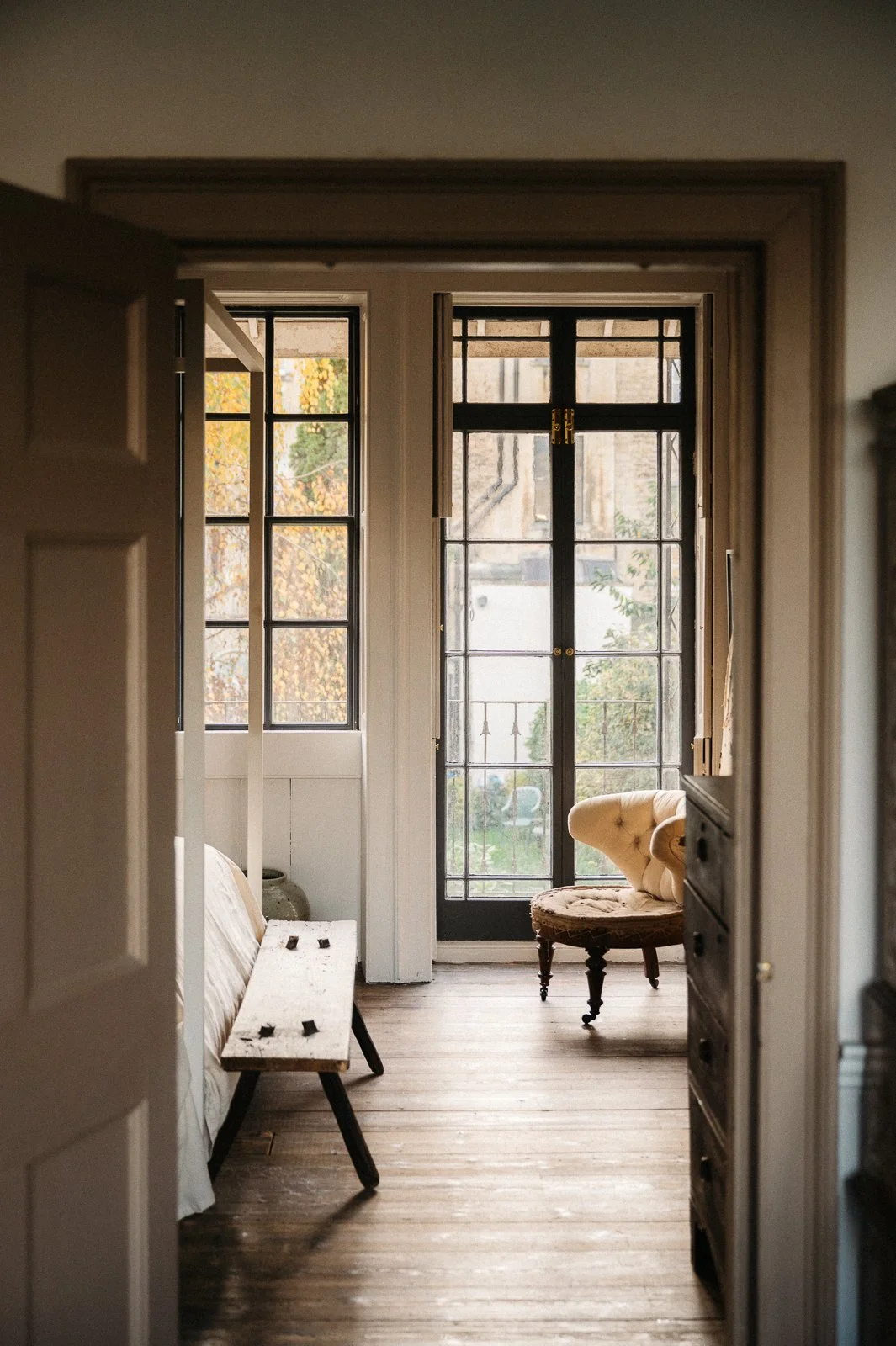
If homes could speak, what do you imagine they would want from us?
What we want from them – protection, shelter, happiness.
If you weren’t working in paint and interiors, what other medium could you imagine yourself exploring?
I think I would retrain to be an Anthropologist. I’m deeply interested in how people, cities and landscape inform and work together. I would temper this with using my hands again much more. I’m not sure where or what medium, but my hands would be very busy.
What books, artists, landscapes, or personal rituals currently feed your colour imagination?
My library is enormous and I think every genre of books feeds me. Books and art and landscape is everything I need. Whether design or food or psychology it is the promise of new information, learning and cross-fertilising different industries so that we can move from here to there.
If you could invite people to experience a single ‘colour moment’ that shaped your career, what would it be?
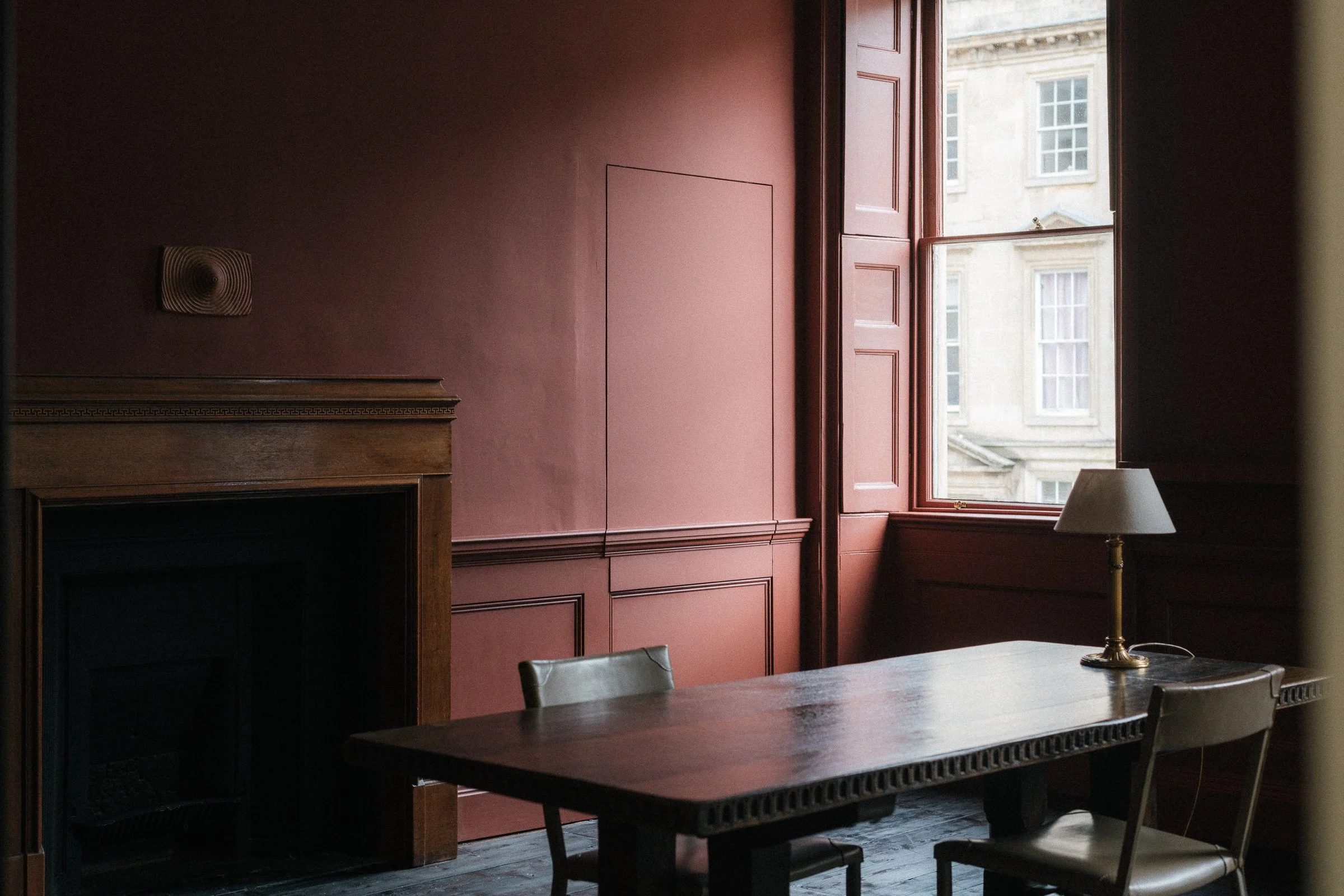
I think making my first set of colours, the research into the why and how, set my intention moving forward. Still now everything is thought through to the same level. No quick fixes, just lots of thinking and making. If I was to pick one colour it would be Fallen Plum, one of my first colours. It is both ancient and deeply modern and it is of all the things that are important to us as a business. Natural, deeply pigmented, and speaking of tables and people, food and place.
What’s next for you and Atelier Ellis, is there a new palette, project, or direction you can let us in on?
We have a new colour collection coming out in March 2026. Its deeply sophisticated but also ancient. And we are launching Atelier Ellis Makers in early February 2025. It is an annual initiative working with five renowned makers who inhabit the living arts. We will be curating and hosting a new creative initiative and exhibition. The inaugural theme is What Colour is Home? Meditations & Conversations.
What role do slow processes and traditional craft play in the formulations of Atelier Ellis’ paints?
We are always looking back to historical practices and formulations before we harness new science. And we use our hands a lot, balancing precision with the hand of the maker. Our paint charts and samples are hand painted with actual paint and every tin is mixed to order. This hand of the maker is critical to me. I know how to formulate paint in the extreme craft tradition and I think it helps when thinking about how to make commercially viable paint that still feels hand made.
Your work often explores the intersection between colour and memory. Can you recall a moment from your own life that shaped your philosophy on interior?
I think a lot of what I do comes back to me at aged 5-12. I had a play-house and I played. I painted, sewed, imagined and told stories. I was deeply comfortable in this mode. I know we all have distinct colour memories. I do, it’s intrinsic to who we are.
How do you see the future of colour in interiors shifting over the next few years? Are we moving toward quieter palettes, bold personal expression, elemental tones?
I hope that we are moving towards personal story telling. If you are deciding for yourself, then you just need to ask yourself what colours you love and then find a hue that is equally harmonious with you and your four walls. If working with a designer, demand they ask the same questions. Trends aren’t particularly useful if you want your home to be the poem of your life.
How do you recommend people build a colour palette that feels uniquely theirs?
Build a physical mood-board! Pinterest is great, but it is a rabbit hole. Don’t tear images of finished rooms as this will take you somewhere away from you. I’m talking about post cards from museums, tear sheets of e.g. food or gardens or fashion shoots if this is your thing. Or pages from books, photographs of happy times. A red sweater from a wonderful holiday may be the link between you and a joyful home. This way of building a palette always come true.
Is there a place, a city, landscape, room that continually inspires you? If so, where and why?
East Sussex, specifically the South Downs, near Seven sisters and Firle is my happy and spiritual place. The downs are bodily and the water freeing. One day I will live there properly, but it’s always where I go when I need clarity.